The thermostat reads 74. The mode says cooling. Air is moving through the vents. And yet the wall display keeps climbing, 78, then 81, then 84, while the afternoon sun pushes the outside temperature past 110. That gap between what the thermostat reports and what the house actually feels like is one of the most common reasons Peoria homeowners search for emergency AC repair Peoria during the summer, and it almost never means the thermostat is broken. It means the cooling system is running without removing heat, and in a Peoria July that turns from an annoyance into a genuine problem within a few hours.
A thermostat is a switch and a sensor. It reads the indoor air temperature, compares it to the setpoint, and calls for cooling. When it says cooling, it has done its job: it has told the air handler to run and signaled the outdoor unit to start. What it cannot tell you is whether the outdoor unit actually responded, whether the refrigerant is still in the system, or whether the cold is making it to the registers. So when the display says cooling but the home is heating up, the failure is almost always downstream of the thermostat, somewhere in the refrigeration cycle or the outdoor condensing unit sitting in the direct Peoria sun.
The single most useful clue is whether the air coming out of the vents is cold, cool, or simply moving. If the blower is pushing room-temperature air, the indoor fan is working but the system is not producing cooling at all, which points to the outdoor unit or the refrigerant charge. If the air starts cold and slowly turns warm over a long run cycle, the system is often freezing up. And if the outdoor unit is silent while the indoor fan hums along, the compressor or the part that starts it has likely failed. Each of these tells an experienced technician where to look first, and each is a routine emergency AC repair Peoria call during the cooling season.
https://www.dayandnightair.com/areas-we-serve/peoria-emergency-ac-repair/ has run these diagnostics across Peoria for decades, from the newer high-ceiling builds out near Vistancia and the Lake Pleasant Parkway corridor to the established homes around Old Town Peoria and the P83 Entertainment District. The failure patterns repeat, and the desert is the reason.
At west-facing installations across the Valley, the temperature at the outdoor unit's concrete pad reaches 130 to 140 degrees Fahrenheit on summer afternoons, well above the air temperature, because the pad, the wall, and the unit radiate stored heat. That sustained stress is the direct reason run capacitor failures, the most common cause of an AC that runs but will not cool, spike every June and July in Peoria.
Under the federal EPA SNAP rule, manufacturers stopped building new R-410A air conditioners on January 1, 2026, shifting to the lower global-warming refrigerant R-454B. Existing R-410A systems can still be serviced with recovered refrigerant, but the supply is tightening and the cost to recharge an older unit after a leak has climbed, which changes the repair-versus-replace math for aging Peoria systems.
Under National Electrical Code Section 210.8(F), the exception that lets listed HVAC equipment skip GFCI protection expires September 1, 2026. After that, in jurisdictions enforcing the code, outdoor HVAC equipment will need GFCI-protected supply circuits, and replacing an outdoor unit triggers that protection even on a home that never had it. Whether it applies to a given Peoria address depends on the local authority having jurisdiction.
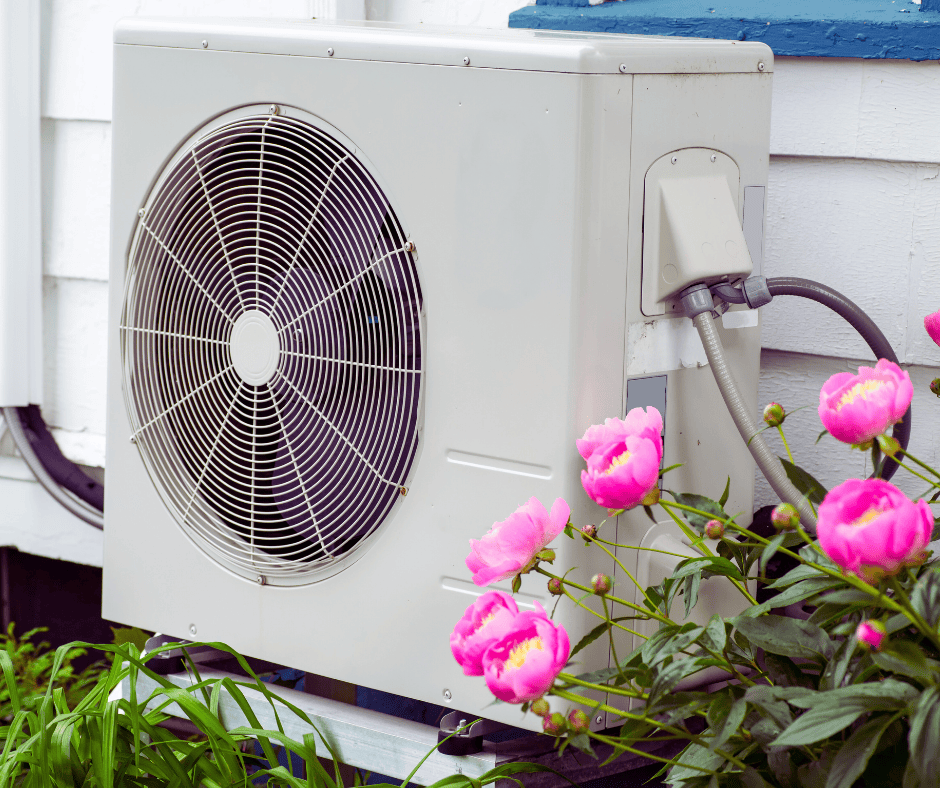
Most "cooling but heating up" calls trace back to a short list of components, and the Peoria climate stresses every one of them harder than a moderate market would. The run capacitor, which is the cylindrical electrical part inside the outdoor unit that delivers the energy pulse needed to start the compressor and fan motors, is the most frequent single point of failure. When it weakens, the outdoor fan may spin while the compressor never starts, so the system blows air that is not being cooled. The contactor, the electrical switch that lets the thermostat energize the outdoor unit, fails in a similar way through pitting and welding of its contacts after years of cycling on and off through brutal afternoons.
The other common culprits sit inside the refrigeration cycle itself:
Sorting one of these from another is the work of an emergency AC repair Peoria visit, and it is why a guessing-game parts swap so often wastes a homeowner's money. The symptom is the same across all of them. Only a proper diagnosis separates a forty-dollar capacitor from a refrigerant leak search.

Peoria sits in the northwest Valley where the combination of extreme ambient heat and fine desert dust punishes outdoor equipment. At west-facing installations across the Valley, the temperature at the equipment pad regularly climbs to 130 to 140 degrees during July and August afternoons, well above the outdoor air temperature, because the concrete, the wall, and the unit itself radiate stored heat. A run capacitor in that environment operates near the top of its rated temperature range for five to six months straight, which is the direct reason capacitor failures spike every June and July and drive so much of the emergency AC repair Peoria demand.
Dust is the second multiplier. The monsoon season from June through September brings haboob dust events that pack condenser coils with fine caliche particles, and homes near Lake Pleasant and the open desert edges of north Peoria see this faster than most. A fouled condenser coil can cut cooling capacity by 15 to 25 percent until it is cleaned, which is exactly the slow loss of cooling a homeowner notices when the thermostat says cooling but the rooms keep warming. A system that was barely keeping up in mild weather falls behind completely once dust and a 115-degree afternoon arrive together.
The newer Peoria communities add their own version of the problem. Large two-story homes with open floor plans and tall west-facing glass in areas like Vistancia put a heavy cooling load on a single system, and when that system loses even a fraction of its capacity to a weak capacitor or a dusty coil, the upstairs rooms heat up first while the thermostat downstairs still reads close to setpoint. That split is one of the more confusing versions of the symptom, and it sends plenty of newer-home owners searching for emergency AC repair Peoria on the first truly hot afternoon of the year. The fix is the same in principle: find the actual capacity loss and correct it rather than fighting the thermostat.
Occasionally the thermostat itself is at fault, and it is worth ruling out the simple cases before assuming the worst. Dead batteries in a thermostat that uses them can cause erratic behavior. A loose or missing common wire, the C-wire that powers modern thermostats, can make a unit reboot or lose its signal to the equipment. A thermostat mounted in direct sun or near a heat source can misread the room and behave strangely. These are real, and a technician checks them first because they are quick. But in the large majority of "cooling but heating up" calls, the thermostat is reporting honestly and the fault lies in the equipment it is trying to control.

Two changes that took effect in 2026 shift the math on these repairs. First, under the federal EPA SNAP rule, manufacturers stopped building new R-410A systems on January 1, 2026, moving new equipment to R-454B, a lower global-warming-potential refrigerant. Existing R-410A systems can still be serviced with recovered refrigerant, but that supply is tightening, and the cost to recharge an older R-410A unit after a leak has climbed accordingly. For a homeowner facing a significant leak on an aging system, that rising recharge cost is now part of the repair-versus-replace decision in a way it was not two years ago.
Second, the newest R-454B systems carry built-in leak detection. Because R-454B is classified as mildly flammable, a unit that senses a refrigerant leak can lock itself out as a safety measure, which a homeowner experiences as a system that simply will not cool. Clearing that fault is not a reset button on the wall. It calls for an EPA Section 608 certified technician trained on the 2026 refrigerant standard to diagnose the cause and safely return the system to service. Day & Night technicians carry that certification and the R-454B transition training, which matters more every season as more of these systems reach Peoria rooftops and side yards.
There is a third detail worth knowing if the diagnosis points toward replacing the outdoor unit rather than repairing it. Under the National Electrical Code, Section 210.8(F), the exception that has allowed listed outdoor HVAC equipment to skip ground-fault protection expires September 1, 2026. After that, in jurisdictions enforcing the current code, replacing an outdoor unit can require the supply circuit to carry that protection, even on an older home that never had it. Whether it applies to a specific Peoria job depends on the local authority having jurisdiction, so it is a question to settle before a replacement, not after. A contractor handling your emergency AC repair Peoria call should be able to tell you where that stands for your address.
Not every "cooling but heating up" failure ends in replacement. A capacitor, a contactor, a cleared drain, or a coil cleaning restores cooling the same day for a modest cost. The replace conversation comes up when the failure is a dead compressor, a major leak on an aging R-410A system, or a unit already running on borrowed time. When it does, Peoria homeowners have real incentives to weigh, though they apply to planned high-efficiency replacements rather than the emergency repair itself.
Peoria homes are served by either SRP or APS depending on location, which determines the rebate path. SRP Cool Cash rebates run up to $1,125, paid by the ton based on the compressor type, with a Manual J load calculation required on single-stage systems so the equipment is sized to the actual home rather than a rule of thumb. APS customers have their own residential rebate path. On top of either, the federal Inflation Reduction Act Section 25C credit covers up to $2,000 for a qualifying heat pump or up to $600 for central air conditioning. A contractor that documents these for you turns a stressful breakdown into a planned upgrade rather than a panic purchase.
A proper emergency AC repair Peoria visit follows the symptom backward to its source rather than swapping parts and hoping. The technician confirms the thermostat is calling correctly, checks that the outdoor unit is receiving the signal, tests the run capacitor and contactor, verifies the refrigerant charge through superheat and subcooling readings, inspects the evaporator and condenser coils, and checks the condensate drain and safety switches. That sequence finds the actual fault, whether it is a failed capacitor, a leak that needs locating, a frozen coil that needs thawing and airflow correction, or a compressor at the end of its life. The homeowner gets a written, flat-rate price before the work begins, with no after-hours surcharge for a call that comes in at night or on a weekend.
Day & Night Air Conditioning, Heating & Plumbing has served Peoria and the wider Maricopa County market since 1978, across zip codes 85345, 85381, 85382, and 85383, from Old Town Peoria to Vistancia and the newer communities along Lake Pleasant Parkway. The company holds the Arizona ROC C-39 air conditioning and refrigeration license and the ROC C-37 plumbing license, runs EPA Section 608 certified and NATE-certified technicians trained on the 2026 R-454B standard, and carries a 4.9 star Google rating across more than 9,400 verified reviews. Emergency service runs 24 hours a day, with same-day response for urgent no-cool calls during the Peoria summer when a failed system is a health concern for older adults, infants, and anyone with a medical condition.
When the thermostat says cooling but the home keeps heating up, the system is telling you it is running without doing its job, and in a Peoria summer that is not a problem to leave for tomorrow. For emergency AC repair Peoria homeowners can count on, with upfront flat-rate pricing, 24/7 availability, and technicians certified on the current refrigerant standard, call Day & Night Air Conditioning, Heating & Plumbing at (602) 492-9656 to get the real fault diagnosed and the cooling restored.

Redirect to:
|
This page is a redirect. The following categories are used to track and monitor this redirect:
|