Why High Altitude Demands Expert Ogden AC Service

A homeowner books a service call, the technician hoses off the outdoor unit, glances at the gauges, adds a little refrigerant, and leaves. A few weeks later the system is cooling worse than before. That sequence plays out across Weber County every summer, and the problem is not always the equipment. It is service performed as though the home sat at sea level, when it actually sits thousands of feet up on the Northern Wasatch Front. Altitude changes the numbers a technician reads and the adjustments a system needs, and a routine that ignores it can leave an air conditioner mischarged or mask the real fault entirely. Quality air conditioning service Ogden UT homeowners can trust starts with a technician who accounts for elevation, and One Hour Heating & Air Conditioning of Ogden treats that as fundamental rather than optional.

Most homeowners assume altitude is something that only mattered when the system was first installed. In reality, elevation shapes how an air conditioner has to be serviced, charged, and diagnosed for its entire life. A system that was sized right can still be tuned wrong, and at Ogden's elevation the margin for that error is thinner than most people realize. Understanding why is the difference between a service visit that helps and one that quietly does harm.

Altitude does not stop mattering after the install

An air conditioner moves heat using air, and at Ogden's elevation the air is thinner and less dense than the sea-level conditions the equipment was rated at. The practical result is a permanent derate, meaning the system delivers less cooling than its nameplate suggests, every day it runs. That does not go away after installation. It is a fixed condition the equipment lives with, and it means an Ogden system operates closer to its limit than the same unit would at sea level. When a home sits on the roughly 4,300-foot valley floor, up on the 4,500-to-4,800-foot East Bench, or higher still in the Ogden Valley near Huntsville, that thinner air is a constant the service technician has to work around.

Because the system already runs with less headroom, how it is maintained matters more here, not less. A small lapse that a sea-level system would shrug off can push an Ogden air conditioner past its limit. That is why air conditioning service Ogden UT residents rely on is not a generic checklist run the same way it would be in a low, humid climate. The elevation is part of the job from the first gauge reading to the last.

Charging an AC Is a Diagnostic, Not a Top-Off

Technicians verify the refrigerant charge using superheat and subcooling, measurements of the refrigerant's state, and must check airflow first, because a dirty coil or a weak blower produces readings that look exactly like an overcharge, and overcharging reduces capacity and efficiency and can damage the compressor.

Thinner Air Changes the Numbers a Technician Reads

At Ogden's elevation the air is less dense, so the pressures, airflow, and temperature targets a technician works against shift from sea-level assumptions, which means a system charged or tuned as though it sat at sea level can end up mischarged.

A Derated System Has a Thinner Margin for Error

Because equipment already delivers less than its nameplate at altitude, a small lapse like a dust-packed condenser coil or a slightly low charge pushes an Ogden system past its limit faster than the same lapse would at sea level, which is why regular, altitude-aware service matters more here, not less.

The refrigerant charge is where altitude-blind service goes wrong

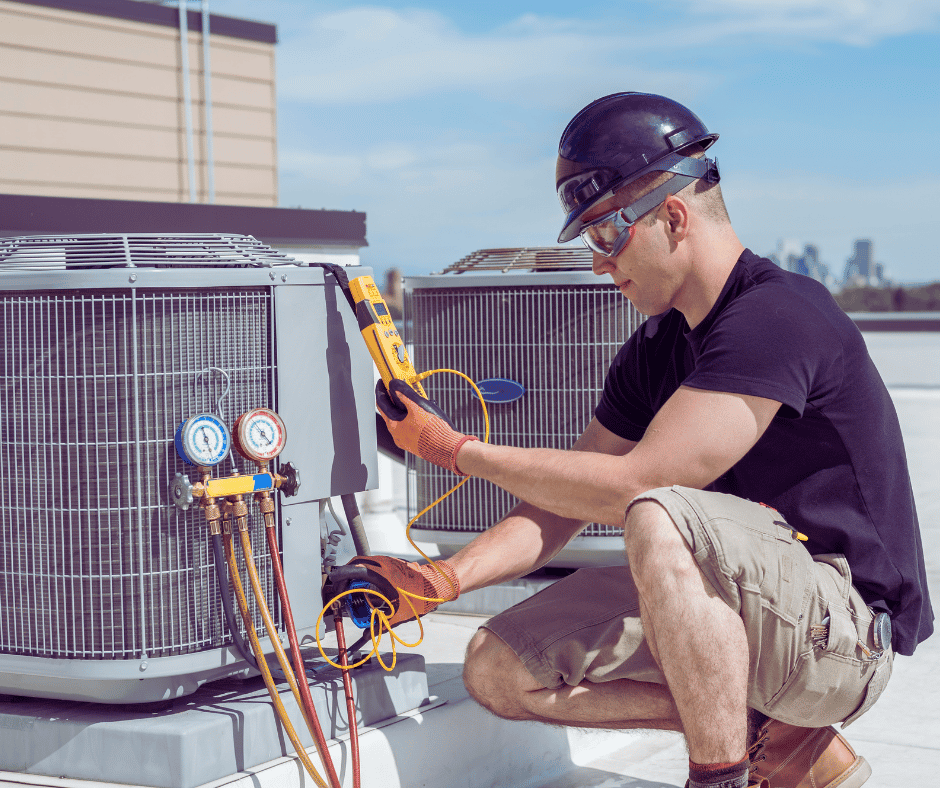
Nothing illustrates the point better than refrigerant charging. Homeowners often picture charging as topping off a tank, but a correct charge is a diagnostic process. A technician reads the refrigerant's behavior through measurements called superheat and subcooling and compares them against the system's design conditions to decide whether the charge is right, low, or high. The catch, and the reason this goes wrong so often, is that airflow problems look almost identical to a charge problem on the gauges. A dirty coil, a weak blower, or a restricted duct can produce readings that mimic an overcharge or an undercharge exactly.

This is where altitude compounds the risk. A system that is simply derated by elevation, running healthy but at reduced capacity, can read as though it needs attention to a technician who is thinking in sea-level terms. If that technician adds refrigerant to a system that did not need it, the result is an overcharge, which reduces both cooling capacity and efficiency and can damage the compressor, the most expensive part of the system. A low charge almost always means a refrigerant leak to find and repair, not a top-off to add. Careful air conditioning service Ogden UT homeowners deserve means verifying airflow first, reading the charge against the actual conditions, and never adding refrigerant on a hunch.

Thinner air changes the numbers a technician reads

Beyond charging, the thin air shifts nearly every reading a technician takes. The pressures the system runs at, the airflow the blower actually delivers, and the static pressure across the ductwork all behave differently at elevation than they do at sea level. A blower still moves the same volume of air, but that air carries less mass, so the numbers have to be interpreted against the home's real conditions rather than a chart built for the lowlands. A technician who checks static pressure with a manometer, verifies the actual airflow, and confirms the amperage the compressor is drawing gets a true picture. One who eyeballs the unit and trusts a generic assumption does not.

This is the quiet skill that separates thorough air conditioning service Ogden UT from a quick visit. The tools are the same everywhere, but the judgment about what the readings mean at 4,500 feet is what keeps a diagnosis accurate. Getting that judgment wrong does not just fail to fix a problem. It can invent one, sending a homeowner down the path of unnecessary refrigerant or a part that was never the issue.

The thinner margin makes maintenance matter more

Because an Ogden system already gives up capacity to the altitude, it has less cushion to absorb the ordinary wear that every air conditioner accumulates. A condenser coil packed with canyon dust, a filter left too long, a slightly low charge from a slow leak, or a run capacitor starting to weaken all cost a system some of its output. At sea level, a unit with plenty of headroom can carry those small deficits for a while before anyone notices. At Ogden's elevation, where the system is already working near its ceiling, the same small deficits show up sooner as a house that will not cool on a hot afternoon.

The high-desert conditions that come with the elevation add to the load. Intense summer sun beats on the outdoor unit, the dry canyon wind drives dust and grit into the coil, and the wide swing between hot days and cool nights works the equipment hard. All of it argues for regular, attentive service rather than waiting for a breakdown. Consistent air conditioning service Ogden UT keeps the system as close to its derated best as possible, which in this market is the difference between comfort and a mid-summer failure.

What a real Ogden AC service actually includes

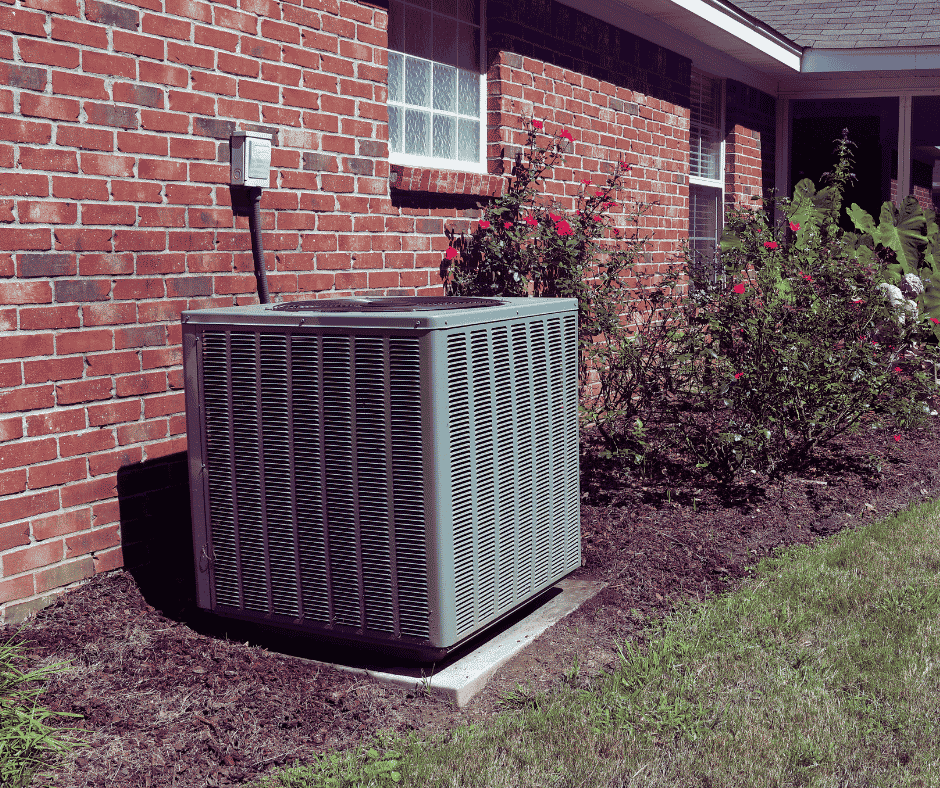
A thorough service visit here looks nothing like a hose-off and a quick gauge check. It verifies airflow and static pressure before anything is done to the refrigerant, cleans both the outdoor condenser coil and the indoor evaporator coil, and checks the charge using superheat and subcooling against the system's design conditions rather than adding refrigerant out of habit. It tests the electrical components that heat and dust tend to take out, including the capacitor and contactor, confirms the compressor's amperage draw is in range, and clears the condensate drain so a clog does not cause a shutdown later. Throughout, the technician accounts for the home's elevation in what the readings should be.

Refrigerant handling is done only by EPA-certified technicians, and any charge adjustment is made in small steps and verified, never rushed. That discipline is what protects the compressor and preserves the efficiency a homeowner paid for, and it is the part of a visit a quick tune-up most often skips. When air conditioning service Ogden UT is done to that standard, the system enters the hot months performing to the best of what the altitude allows, and the small problems get caught while they are still small and inexpensive.

When service turns up something bigger

Sometimes a careful service visit finds a fault that goes beyond a tune-up, and that is where system age and refrigerant type enter the conversation. If a refrigerant leak turns up, it has to be located and repaired rather than masked with more refrigerant. If the compressor is failing or the system is old and struggling to hold capacity even after a proper service, the repair-versus-replace decision comes into play. Systems installed before January 1, 2025 use the older R-410A refrigerant, while new equipment uses R-454B, which factors into weighing a major repair on an aging unit against a replacement.

For homeowners weighing a new system, any Rocky Mountain Power rebate should be confirmed as currently active before it is counted on, since utility programs change from year to year. One Hour Ogden lays these decisions out through StraightForward Pricing, presenting the diagnosis and the options before any work begins, so a homeowner chooses with the full picture rather than being pushed. Honest air conditioning service Ogden UT means telling a homeowner when a repair makes sense and when it does not.

Signs a past service missed the altitude

Homeowners can often spot the fingerprints of altitude-blind service after the fact. A system that cooled worse right after a maintenance visit is the clearest sign, since a correct service should never leave a unit performing below where it started. Refrigerant that has been added on more than one visit without the underlying problem ever being fixed is another red flag, because a system losing charge has a leak that needs repair, not repeated top-offs that mask it and risk an overcharge. A house that struggles to hold temperature despite a recent tune-up, or an outdoor unit running hotter and louder than it used to, can point to a charge or airflow issue that was never properly read.

None of these means the equipment is doomed. More often they mean the last visit treated the system as though it lived at sea level. A fresh diagnosis that verifies airflow, reads the charge against the home's actual elevation, and inspects the coils and electrical parts can usually sort out what was missed. That is the value of air conditioning service Ogden UT performed by a technician who works in this thin air every day rather than one passing through.

Why the right technician matters at this elevation

Not every service call in the valley is performed with altitude in mind, and a homeowner has every right to ask how a company approaches it. Whether the technician verifies airflow before touching the charge, whether static pressure gets measured, and whether the readings are interpreted for the home's elevation are fair questions that separate thorough service from a rushed one. A company that talks comfortably about derating, airflow verification, and charging against actual conditions is one taking the equipment and the market seriously.

For homeowners who would rather not track service intervals themselves, a club membership maintenance plan brings a technician out on a schedule to handle the seasonal visit, so the system stays tuned to its elevation year after year. That steady attention is the surest way to get full life and full comfort out of an air conditioner working in thin mountain air.

Why Ogden homeowners call One Hour Ogden

One Hour Heating & Air Conditioning of Ogden is an independently owned and operated local franchise, owner-led by Matt McFarland, serving Ogden and the greater Weber and Davis County market including North Ogden, South Ogden, Roy, Riverdale, Washington Terrace, Clearfield, Layton, and the surrounding communities. The company is Utah Licensed, Bonded, and Insured, its technicians hold EPA, RMGA, and BPI certifications, and it holds a 5-star rating across more than 568 Google reviews. Homeowners get upfront StraightForward Pricing before any work begins, a 100 percent satisfaction guarantee that backs materials, labor, and craftsmanship for up to two years, financing options, 24/7 availability, and the Always On Time Or You Don't Pay A Dime promise, which means if the technician is even one minute late to the scheduled window, the visit is free. At Ogden's elevation, a system serviced by someone who understands thin air runs better and lasts longer than one tuned by guesswork. Homeowners who want air conditioning service Ogden UT they can trust can call One Hour Heating & Air Conditioning of Ogden at +1-385-485-6550 for a straight diagnosis and upfront pricing.

Redirect to:


Yes. The pressures, temperatures, and airflow a technician reads and adjusts during service all shift with the thinner air at Ogden's elevation, and because a system is already derated at altitude, meaning it delivers less than its sea-level rating, it runs closer to its limit for its whole life. That makes routine service like charging, airflow verification, and diagnosis something that has to account for elevation, not just the original install. A tune-up performed to sea-level assumptions can misread a healthy but derated system or leave it mischarged.
It can. The most common example is refrigerant. Airflow problems and a derated system can look like a low charge on the gauges, so a technician who does not verify airflow first and account for altitude might add refrigerant to a system that did not need it. Overcharging reduces cooling capacity and efficiency and can damage the compressor, the most expensive part of the system. A low charge almost always means a refrigerant leak to locate and repair, not a top-off to add. Proper service verifies airflow, reads the charge against the actual conditions, and never adds refrigerant on a hunch.
More than hosing off the outdoor unit. A thorough visit verifies airflow and static pressure before touching the refrigerant, cleans both the outdoor condenser coil and the indoor evaporator coil, and checks the charge using superheat and subcooling against the system's design conditions rather than adding refrigerant by habit. It tests the capacitor and contactor, confirms the compressor's amperage draw is in range, and clears the condensate drain, with the technician accounting for the home's elevation throughout. Refrigerant handling is done only by EPA-certified technicians.