Rockwall, TX gets long stretches of intense sun. Roof surfaces heat up fast, and buildings hold that heat into the evening. In North Texas, that extra roof heat often shows up as high A/C use, uncomfortable indoor areas, and faster roof wear. That is why cool roof systems and energy efficient roofing have become popular across Rockwall County, especially near Lake Ray Hubbard where growth is rapid and commercial properties run heavy HVAC loads.
SCR, Inc. General Contractors helps property owners decide when cool roofing is a smart move. Some buildings benefit right away. Others need a different approach. The key is understanding the roof's condition, the building's cooling demand, and the local climate pressures.
A roof acts like a heat collector. Dark surfaces absorb a large portion of solar energy. During summer, roof temperatures can climb far above the outdoor air temperature. That heat transfers into the building through the roof deck and insulation. In a warehouse, retail center, or office complex, the heat load can push rooftop AC units to run longer, cycle harder, and wear out sooner.
Rockwall's location along the I-30 corridor also matters. Many commercial sites in 75087 and 75032 sit in open sun with limited shade. Concrete parking lots and nearby buildings can increase ambient heat, which adds to the urban heat island effect. When the building envelope holds heat, indoor comfort drops and energy bills rise.
Cool roof systems are designed to reflect more sunlight and release heat more efficiently. Two terms explain the performance.
Solar reflectance describes how much sunlight the roof reflects away instead of absorbing.
Thermal emittance describes how well the roof releases stored heat.
A roof that reflects well and releases heat well stays cooler. That reduces heat transfer into the building. When less heat enters the structure, HVAC equipment runs less, especially during peak afternoon hours.
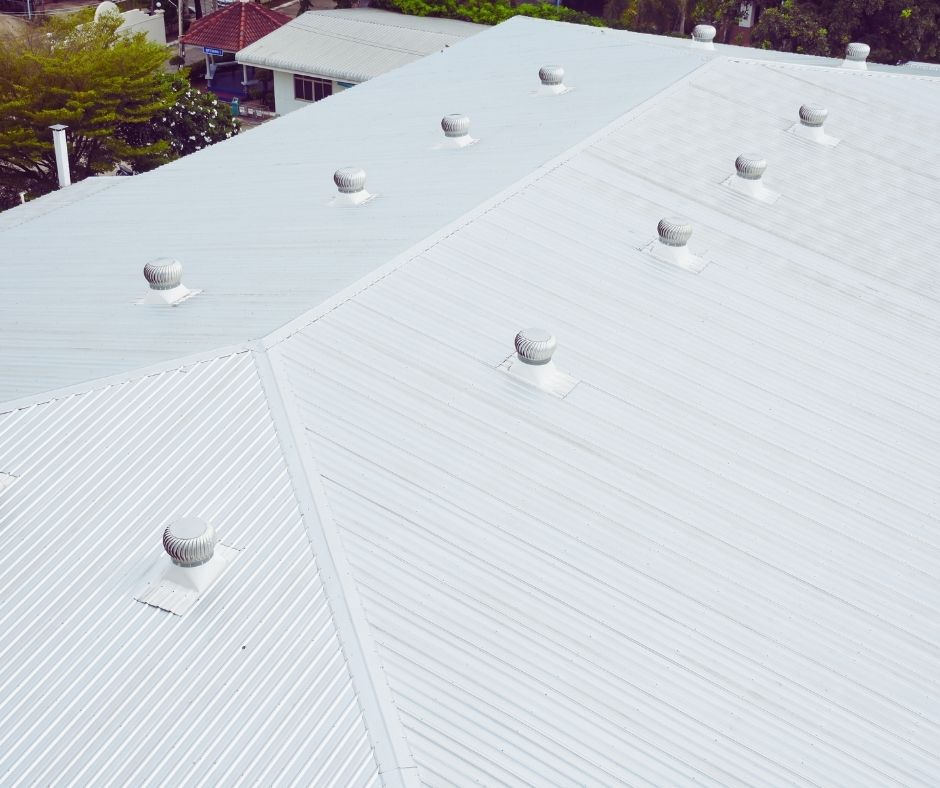
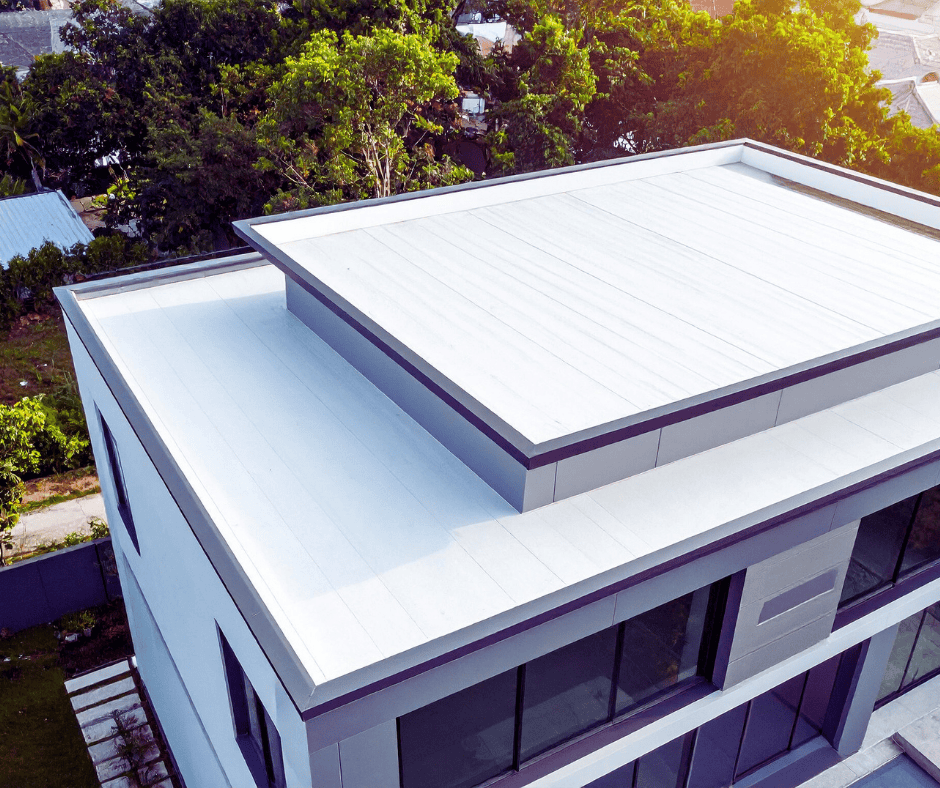
Cool roofing can be achieved through several options, including reflective roof coatings, single ply membranes like TPO roofing and PVC roofing, reflective metal roofing, and roof restoration systems that add a reflective surface to an existing roof.
Some properties benefit from cool roof installation more than others. The best candidates often share a few patterns. The most obvious one is high cooling demand. If the building has long A/C runtime or frequent HVAC service calls in summer, the roof may be contributing to heat stress.
Another sign is roof aging caused by UV damage and thermal shock. Thermal shock happens when materials expand in extreme heat and contract quickly during storms or cooler nights. Over time, seams, flashing, and membranes can fatigue. That can lead to leaks, delamination, or cracks.
Ponding water is another issue common on flat or low slope commercial roofs. If water sits after rain, it raises roof temperature and speeds material breakdown. Some cool roof coatings, including silicone membrane options, handle ponding water better than others.
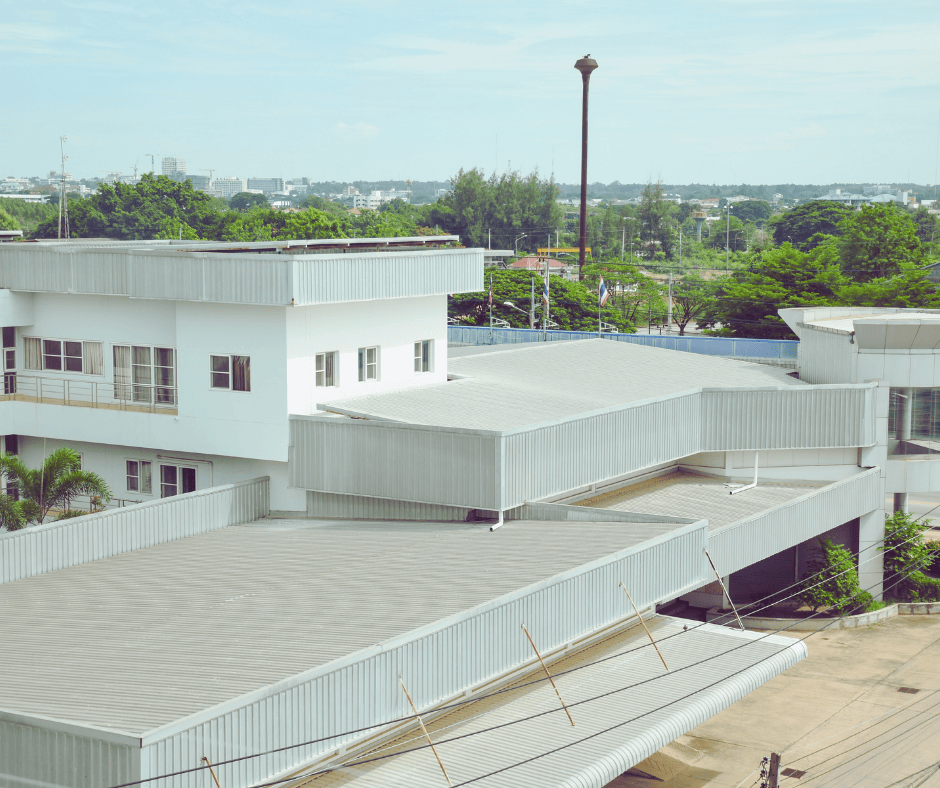
Rockwall is growing fast. Along The Harbor Rockwall and nearby retail corridors, many roofs are large, flat, and exposed to full sun. Those buildings tend to see strong results from cool roof systems because the roof surface area is large and the HVAC load is steady.
Warehouse and industrial sites along the I-30 corridor often have long roof spans and large interior volume. A reflective roofing system can reduce peak heat gain and help keep indoor areas steadier during summer.
Office complexes in areas like Northshore and Buffalo Creek also benefit, especially where rooftop AC units are concentrated. A cooler roof surface can lower the ambient temperature around RTUs and heat pumps, which can support better HVAC performance over time.
Not every cool roof option is the same. The right system depends on the roof type, slope, drainage, and budget.
Reflective roof coatings are often used on existing roofs as part of roof restoration. Common options include acrylic coating, elastomeric coating, and high solids silicone coatings. These create a bright reflective surface and add a protective barrier. They work best when the existing roof is still structurally sound.
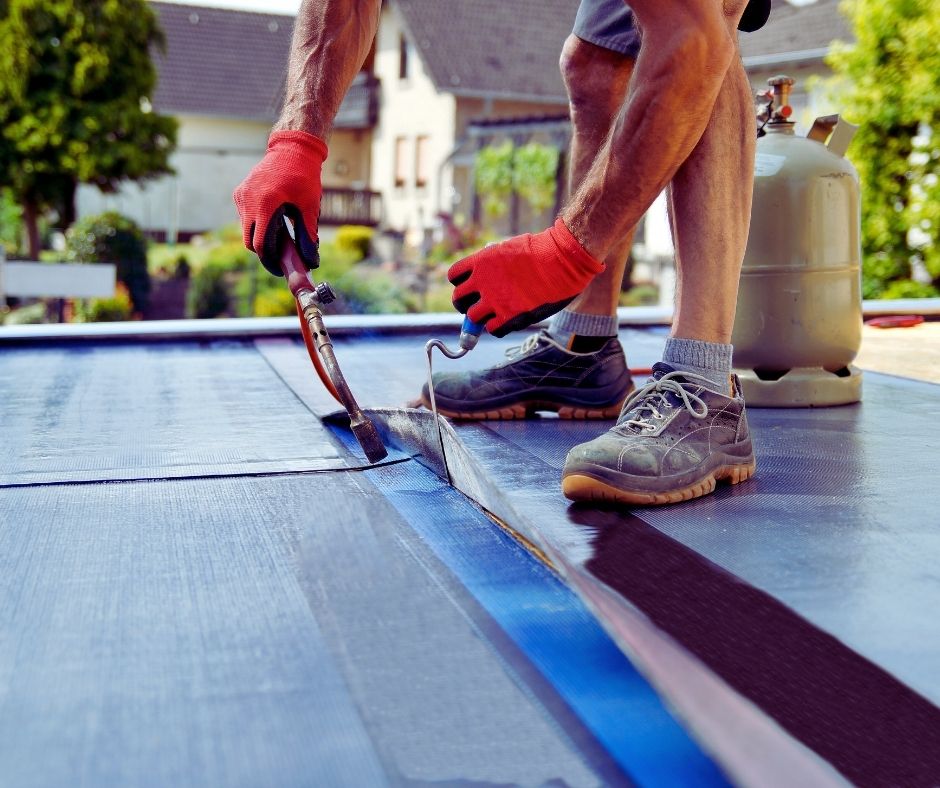
Single ply membranes like TPO roofing and PVC roofing are common for commercial roofs. They are installed as full systems, including seam tape, flashing, and proper detailing around penetrations. These membranes are often CRRC rated and can be Energy Star certified when they meet reflectance standards.
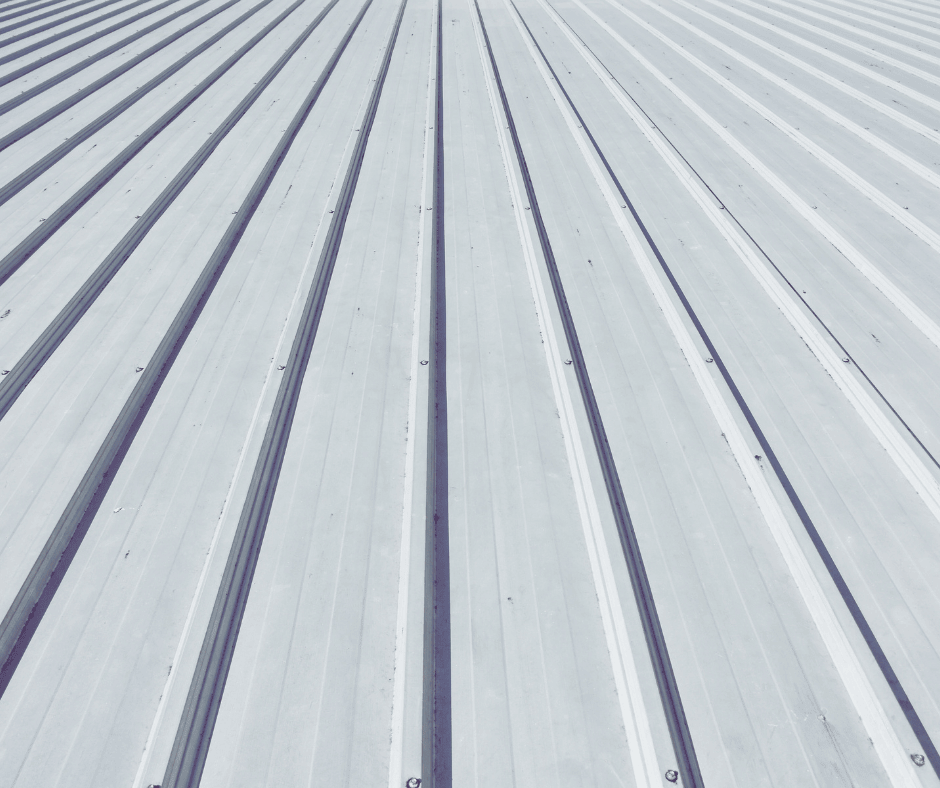
Metal roofing can be a strong energy saving roofing option when it uses reflective finishes and proper insulation under the panels. Metal systems can perform well in North Texas heat, but they need correct detailing at fasteners and transitions.
Insulation matters as much as the outer surface. Polyisocyanurate board and EPS insulation can reduce heat transfer. In some cases, adding insulation during roof restoration improves comfort more than a surface coating alone.

Roof performance should be evaluated as part of the full building envelope. A cool roof works best when insulation levels are appropriate and air sealing is solid. If the roof has air leaks, damaged flashing, or weak seams, the building can still gain heat and lose conditioned air.
This is why a thermal inspection can be valuable. Infrared thermal cameras can help locate heat loss and hidden moisture. For commercial properties in Rockwall 75087 and 75032, this kind of inspection can show where the building is losing energy and where repairs should be made first.
Most owners want practical results, not theory. A cool roof can support lower roof surface temperatures, which can reduce indoor heat gain. That often means less HVAC strain during the hottest hours. It can also help roofs last longer by reducing thermal stress and UV exposure.
For some commercial buildings, the benefit is also about occupant comfort. Retail staff working under a hot roof feel it. Office tenants notice afternoon heat swings. A roof that stays cooler can help stabilize conditions.
There is also a maintenance angle. A cooler roof can reduce the expansion and contraction that causes seam stress. When the roof system is detailed correctly with proper primer, seam tape, and flashing, it can reduce future leak risk.
Cool roofing is not a cure for every problem. If a roof has widespread saturation, major delamination, or structural damage, coating over it can trap problems rather than solve them. In that case, a full replacement with a new TPO or PVC system may be the safer option.
In some buildings, duct leakage or poor insulation drives energy loss more than roof reflectance. A cool roof can still help, but it should be part of a broader plan.
Aesthetics and glare can matter too, especially in some mixed use areas near Lake Ray Hubbard. Reflective surfaces must be selected carefully based on building placement and nearby sight lines.
A proper job is more than applying a bright surface. It starts with evaluation. The roof should be inspected for moisture, membrane condition, flashing integrity, and drainage performance. Scuppers and drains need to be clear and functional.
If a reflective coating is chosen, surface preparation is critical. That may include washing, repairs, priming, and reinforcement at seams. In many cases, contractors use reinforced fabrics or mesh at transitions to reduce future cracking.
If a membrane system is chosen, details matter even more. Seams must be welded or sealed correctly. Flashing must be installed around penetrations. The goal is a complete barrier that resists wind and rain while keeping reflectance performance high.

Rockwall's weather includes high heat, strong storms, and hail risk. Roofing choices should account for wind uplift, UV exposure, and storm recovery needs. Many property owners also deal with insurance claims after hail or wind events. A contractor who understands claim documentation and roof restoration options can help streamline the process.
SCR, Inc. General Contractors serves Rockwall, Fate, and Heath, along with nearby areas like Rowlett, Royse City, Forney, Terrell, and Garland. Local crews familiar with commercial sites near The Harbor Rockwall and along I-30 can plan projects around business operations and local permitting needs.
Choosing the right system becomes easier when owners ask focused questions. A few points help clarify the decision.
What is the roof's current condition and moisture level.
Is the building's high energy use driven by roof heat gain or other issues.
Would a coating, restoration, or full replacement provide the best value.
How will the system perform with ponding water and North Texas storms.
What warranties are available for materials and labor.
A clear scope and honest evaluation protect the investment.
If a commercial building in Rockwall shows high energy bills, frequent HVAC strain, visible roof degradation, or recurring leaks, a cool roof evaluation is worth scheduling. The earlier a roof is assessed, the more options are available. Restoration can be possible before damage forces a full replacement.
SCR, Inc. General Contractors offers inspections for commercial roof systems and can explain which cool roof systems fit the building's needs. A free thermal roof inspection can help identify heat loss zones and provide a realistic path to lower cooling demand.
In North Texas, a roof can either add to summer heat problems or help control them. When cool roof systems and energy efficient roofing are selected correctly, they become a practical tool for comfort, durability, and long-term cost control.

Redirect to:
Redirect to:
|
This page is a redirect. The following categories are used to track and monitor this redirect:
|
The coolest roofs are those designed to reflect sunlight and release heat efficiently. Roofing systems with high solar reflectance, such as reflective membranes, light-colored metal roofing, and specialized cool shingles, tend to perform the best in hot conditions. Reflective roof coatings can also lower surface temperatures when applied to suitable existing roofs. Other approaches, like ballasted roofs that use stone or gravel, and green roofs that add vegetation, can further reduce heat buildup by shading and insulation. The key factor is how well the roofing material reflects solar energy rather than absorbing it.
Yes, cool roofs are proven to work, especially in hot climates. By reflecting more sunlight and releasing heat faster, they help keep buildings cooler throughout the day. This often leads to lower air conditioning demand and noticeable reductions in energy use. Cool roofs can also take pressure off older or undersized cooling systems, allowing them to maintain comfortable indoor temperatures during extreme summer heat without running nonstop.
Energy tax credits typically apply to roofing improvements made on a primary residence, not rental properties or newly built homes. To qualify, the roofing material must meet specific reflectivity standards set by federal programs. Reflective asphalt shingles and qualifying metal roofing systems are commonly eligible. In most cases, roof coatings and cosmetic surface treatments do not meet credit requirements, so it is important to confirm product ratings before installation.