Why Clay Soil Causes Frequent Main Drain Clogs

Why Baton Rouge Clay Soil Causes Frequent Main Drain Clogs

Homeowners across East Baton Rouge Parish often face a recurring frustration that seems unique to the Capital Region. A main sewer line that functioned perfectly yesterday suddenly backs up, leaving standing water in tubs and gurgling toilets throughout the house. While many suspect a simple flush of the wrong item caused the issue, the true culprit usually lies deep beneath the surface. The alluvial soil characteristic of the Mississippi River Corridor is a living, shifting entity. In neighborhoods like the Garden District and Spanish Town, this soil composition exerts immense pressure on aging infrastructure. Understanding the relationship between local geology and residential plumbing is the first step toward achieving a permanent solution for drain cleaning Baton Rouge, LA residents can rely on for years rather than weeks.

The geography of Southern Louisiana is defined by heavy clay and silt deposits. Unlike the stable, rocky foundations found in other parts of the country, Baton Rouge sits on a high water table with soil that expands and contracts with every weather cycle. This movement is a primary driver of pipe failure. When the ground becomes saturated during the heavy Gulf Coast rainfall, the clay expands. During the hot, dry stretches of a Louisiana summer, that same soil shrinks and cracks. This constant "heaving" puts a mechanical strain on the sewer lateral that few materials can withstand indefinitely. For those living in older homes with original clay or cast iron pipes, this geological cycle is a countdown toward a necessary intervention.

The "Red Stick" Clay Shift

Baton Rouge sits on a massive layer of alluvial clay that acts like a sponge. During a typical Louisiana rainy season, this soil can expand by up to 25% in volume, exerting enough "heave" to literally snap PVC pipes or push heavy cast iron segments out of alignment. This geological movement is the number one reason for recurring main line offsets in East Baton Rouge Parish.

The 4,000 PSI "Cure"

Standard mechanical drain snakes are often ineffective against the "FOG" (Fats, Oils, and Grease) found in South Baton Rouge sewer lines. Because our local water is "hard" and mineral-rich, grease binds with calcium to form a rock-hard, soap-like substance. Only Hydro-Jetting—which uses water pressurized to 4,000 PSI—is capable of scouring these "fatbergs" off the pipe walls to restore the line to its original diameter.

The Hidden AC Clog

In Baton Rouge’s 90% humidity, a central AC unit can pull up to 10 to 20 gallons of water out of the air every single day. This water drains through a small PVC pipe that often connects directly to your home's secondary plumbing. If your main drain is slow, the algae and "slime" from your AC line can back up into your walls or attic, making drain cleaning Baton Rouge, LA a vital part of both plumbing and HVAC health.

The Mechanics of Soil Shift and Pipe Offset

The term alluvial refers to the soil deposited by flowing water. Because Baton Rouge is situated along the Mississippi River, the ground is rich in fine particles that hold moisture with high intensity. This moisture retention causes the soil to act more like a slow-moving fluid than a solid base. As the ground shifts, it creates "pipe bellies" or sags in the main sewer line. In a perfectly functioning system, gravity carries waste away at a specific slope. When a section of the pipe sinks into the soft clay, a low point is formed. This belly collects heavy solids and grease, eventually creating a thick sludge that standard rooter machines cannot fully clear. These bellies are particularly common in the Southdowns and Broadmoor areas, where the soil density varies significantly across a single property.

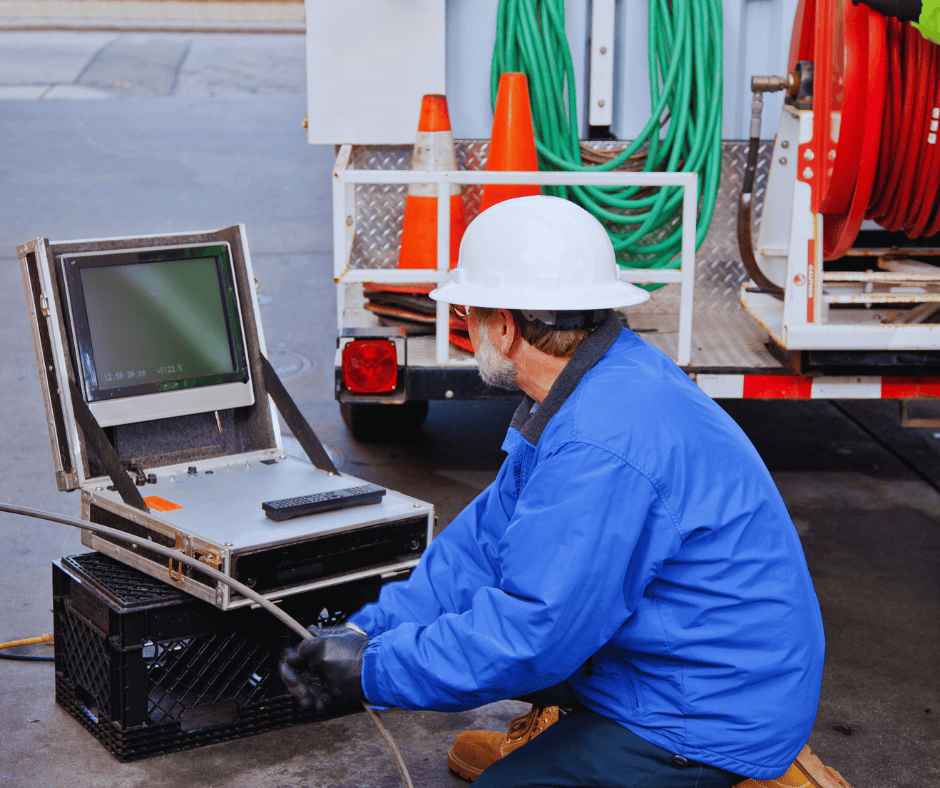
Beyond simple sagging, soil movement often leads to pipe offsets. An offset occurs when two sections of a sewer line are pushed out of alignment at a joint. This creates a vertical ledge inside the pipe that catches toilet paper and solid waste. Once the alignment is lost, the pipe is no longer a sealed system. The gap created by an offset allows the surrounding clay soil to wash into the line, adding grit and mud to the blockage. It also releases a scent that acts as a homing beacon for the aggressive root systems of local flora. Identifying these structural failures requires professional Sewer Camera Inspection tools, such as Ridgid diagnostic cameras, to see exactly where the earth has won the battle against the plumbing.

Root Intrusion and the Search for Water

Baton Rouge is famous for its lush canopy, featuring massive Live Oaks and towering Magnolias. While these trees define the beauty of Mid City and the Garden District, their root systems are incredibly opportunistic. In the high-density clay of East Baton Rouge Parish, roots must work harder to find oxygen and consistent water sources. A sewer pipe, filled with nutrient-rich water and warm air, is an irresistible target. Even a microscopic crack or a slight offset caused by shifting soil is enough for a hair-like root to enter the pipe. Once inside, the root thrives, thickening until it fills the entire diameter of the sewer lateral.

Root intrusion in clay pipes is a progressive problem. As the roots grow, they act like a wedge, further opening the joints and inviting even more soil and roots into the system. Standard mechanical drain cleaning or "rooting" often only provides temporary relief. A mechanical blade might cut a hole through the center of the root mass, restoring some flow, but the roots remain in the joints. Without high-pressure Hydro-Jetting or specialized chemical treatments like Bio-Clean, the roots will return with more vigor. Cajun Maintenance technicians frequently see root masses in 70806 and 70808 zip codes that have become so dense they resemble a solid plug of wood, requiring industrial-strength Spartan Rooter technology to remove.

The Fatberg Phenomenon in South Baton Rouge

In newer developments and commercial corridors like Perkins Rowe and Sherwood Forest, a different type of blockage is becoming more prevalent. "FOG" is the industry acronym for Fats, Oils, and Grease. When these substances are poured down a kitchen sink, they are in a liquid state. However, as they hit the cooler underground pipes surrounded by damp clay, they solidify. In Baton Rouge, the high humidity and warm ground temperatures create a unique environment where grease combines with calcium and other minerals in the water to form a rock-hard substance known as a "fatberg." These blockages are immune to plungers and standard snakes.

The scale of these grease blockages is often staggering. They don't just sit in the bottom of the pipe; they coat the entire interior wall, effectively shrinking a four-inch pipe down to the size of a straw. This leads to multiple clogged fixtures and slow drains throughout the home. For commercial kitchens in Downtown Baton Rouge or student housing near Louisiana State University (LSU), grease buildup is a constant threat to operations. High-Pressure Hydro-Jetting is the only definitive solution for these cases. By utilizing US Jetting equipment at 4,000 PSI, plumbers can scour the pipe walls, removing the grease and scale entirely to restore the line to its original flow capacity.

Indications of a Failing Main Sewer Line

Recognizing the early signs of a sewer issue can prevent a total backup and the resulting water damage. Most main line problems show symptoms long before the sewage actually enters the home.

  1. Multiple fixtures like the tub and kitchen sink draining slowly at the same time.
  2. The sound of gurgling or bubbling coming from the toilet when the laundry machine drains.
  3. A persistent foul odor resembling rotten eggs or hydrogen sulfide around the yard or basement.
  4. Patches of grass that are suddenly much greener or faster-growing than the rest of the lawn.
  5. Standing water or sewage appearing in the lowest floor drain or basement shower during use.

Hydrogen Sulfide and Pipe Corrosion

When organic matter is trapped in a sag or a root mass, it begins to decompose in an anaerobic environment. This process releases hydrogen sulfide gas. In the humid climate of the Mississippi River Corridor, this gas is not just an odor nuisance; it is highly corrosive. In older homes featuring cast iron pipes, hydrogen sulfide reacts with the moisture in the line to create sulfuric acid. This acid eats away at the top of the pipe, a process known as channeling. Over decades, the bottom of the cast iron pipe can also wear thin, allowing waste to leak directly into the clay soil beneath the house. This further destabilizes the ground, leading to more soil shift and eventual pipe collapse.

Sewer Camera Inspections often reveal that the interior of these cast iron pipes has become extremely rough due to scale buildup. This rough surface acts like sandpaper, catching every piece of debris that passes through. In neighborhoods like Spanish Town, the combination of internal corrosion and external soil pressure creates a high-risk scenario for homeowners. Maintaining these lines requires a delicate balance. While Hydro-Jetting is effective at removing scale, a technician must be careful not to use excessive pressure on a line that has been significantly thinned by acid corrosion. Expert diagnosis is the difference between a successful cleaning and an accidental line collapse during service.

The Impact of Flash Flooding on Residential Drains

Baton Rouge frequently experiences intense rainfall that can overwhelm the municipal drainage system. During these events, the ground becomes saturated almost instantly. If your property does not have a clear path for water to exit, the pressure on your underground pipes increases. Exterior floor drains and catch basins are designed to handle this runoff, but they often become clogged with leaves, silt, and urban debris. When these drains fail, water pools against the foundation, accelerating the soil shift that leads to main line offsets. Ensuring your yard drains are clear is just as important as maintaining your interior plumbing.

Flash flooding also impacts the main sewer line through a process called inflow and infiltration. If your sewer cleanout caps are broken or missing, rainwater can enter the sewer system, quickly exceeding its capacity. This leads to sewage backups into the home from the municipal side. Residents in 70810 and 70817 often see these issues when local bayous and drainage canals reach their limits. Licensed and insured plumbers from Cajun Maintenance can inspect your exterior cleanouts and ensure they are properly sealed and elevated to prevent storm-driven backups. This preventative approach is essential for any property owner in the Capital Region.

Technical Steps for Lasting Drain Restoration

Restoring a main line to full health involves a specific sequence of professional actions. A "quick fix" approach usually results in the problem returning within a few months.

  1. Initial Sewer Camera Inspection to locate the exact position and type of the blockage.
  2. Mechanical rooting to establish a flow and break up solid obstructions like heavy roots.
  3. High-Pressure Hydro-Jetting to descale the pipe walls and remove solidified grease or "FOG."
  4. Secondary camera inspection to verify the structural integrity of the pipe and ensure it is clear.
  5. Application of specialized treatments like Bio-Clean to consume remaining organic residue.

Infrastructure Challenges in Historic Neighborhoods

The Garden District and Spanish Town are iconic parts of Baton Rouge, but their plumbing infrastructure is often over a century old. These areas frequently utilize clay tile pipes. While clay is naturally resistant to corrosion, the joints every few feet are the weak point. In the early 20th century, these joints were often sealed with mortar or even just packed with oakum and lead. Over time, the shifting alluvial soil of East Baton Rouge Parish breaks these seals. Once the seal is gone, the pipe loses its structural rigidity. It becomes a series of loose segments held in place only by the weight of the dirt above.

In these historic settings, the goal of drain cleaning Baton Rouge, LA professionals is preservation. Using an oversized mechanical blade in a fragile clay line can catch on an offset and shatter the pipe. This is why experienced plumbers prioritize video diagnostics before attempting any high-torque rooting. If a line is found to be severely compromised, trenchless repair options may be discussed to avoid digging up a historic garden or a brick-paved driveway. However, in many cases, a thorough cleaning followed by a lining process can save the original pipe and provide another fifty years of service without the need for traditional excavation.

Managing Floor Drains and P-Traps

Not all clogs occur in the main sewer line. Many residents in Sherwood Forest and Shenandoah deal with localized issues in floor drains and P-traps. Every fixture in a home has a P-trap, a U-shaped pipe designed to hold a small amount of water. This water acts as a seal to keep hydrogen sulfide and other sewer gases from entering the home. If a drain is rarely used, the water in the trap can evaporate, allowing odors to escape. Furthermore, floor drains in laundry rooms and garages often collect lint, hair, and silt. Over time, this debris settles in the bottom of the trap, creating a stubborn clog that slows the entire room's drainage.

Regular floor drain maintenance is a technical necessity. Silt from yard runoff or dirt from the garage can settle and harden in the trap, becoming nearly as solid as concrete. Standard sink plungers rarely generate enough pressure to clear these heavy deposits. Cajun Maintenance plumbers use specialized small-diameter snakes and water-induction tools to clear these traps without damaging the piping. For commercial clients, such as restaurants near Southdowns, this maintenance is even more critical. Clogged floor drains in a kitchen lead to health code violations and slip hazards. A scheduled maintenance plan ensures these lines remain clear despite high-volume use and constant debris exposure.

Why Upfront Pricing Matters for Emergency Plumbing

A sewage backup is a stressful event. When your home is at risk of water damage, the last thing you need is the uncertainty of hourly billing or hidden fees. Professional drain cleaning services should offer upfront pricing based on the task rather than the time it takes. This ensures that the plumber is motivated to fix the problem correctly and thoroughly, rather than rushing to the next job or dragging out the clock. In the Baton Rouge market, where soil conditions can make a "simple" clog turn into a complex structural diagnostic, having a clear quote before work begins is essential for the homeowner's peace of mind.

Same-day service and 24/7 emergency response are also vital. Clogs don't wait for business hours, and a backup on a Sunday morning can quickly ruin a property if not addressed within sixty minutes. Cajun Maintenance prides itself on rapid arrival across the Mississippi River Corridor, from the 70802 zip code up to the 70816 Sherwood area. Our background-checked plumbers arrive with fully stocked trucks, ready to handle everything from a clogged toilet repair to a full main line clearing. By combining local expertise with the latest equipment from Ridgid and Spartan, we provide a level of service that meets the high standards of the Louisiana State Licensing Board for Contractors.

The Science of Bio-Clean and Preventive Maintenance

After a line has been cleared of a major blockage, the work of preservation begins. Even after hydro-jetting, a thin film of organic material may remain on the pipe walls. This film is the "glue" that catches the next round of grease or hair. To prevent a recurring issue, we often recommend the use of Bio-Clean. This is a special blend of bacteria and enzymes that consume organic waste like grease, hair, and soap scum. Unlike harsh chemical cleaners that generate heat and can crack older pipes or kill the beneficial bacteria in a septic system, Bio-Clean is completely safe for the environment and your plumbing.

Applying these treatments as part of a regular maintenance schedule is particularly effective in the humid, warm environment of South Baton Rouge. The bacteria thrive in the moisture-rich pipes, constantly cleaning the walls of the sewer lateral. For homeowners who have dealt with the headache of shifting clay soil and root intrusion, this preventative step is a low-cost insurance policy. It keeps the flow at 100% capacity and prevents the buildup of hydrogen sulfide that leads to pipe corrosion. It is a smart, science-based approach to home maintenance that reflects the modern trends in the plumbing industry.

Protecting Your Property with Cajun Maintenance

Baton Rouge plumbing requires a specialist who understands the unique intersection of history and geology. The shifting clay of East Baton Rouge Parish will always be a challenge for underground pipes. However, with the right diagnostics and high-pressure cleaning technology, these systems can be restored to full function. Whether you are dealing with a gurgling toilet in Shenandoah, a slow kitchen sink in Mid City, or a massive root intrusion in the Garden District, Cajun Maintenance is the definitive local authority. We combine decades of lived experience with a commitment to the latest technical standards to provide the most reliable drain cleaning Baton Rouge, LA has to offer.

Don't wait for a slow drain to become a sewage emergency. A small investment in a sewer camera inspection today can save you thousands of dollars in excavation and repair costs tomorrow. Our team is available 24/7 to provide upfront pricing, same-day service, and the professional insight needed to solve your toughest plumbing challenges. We are licensed, insured, and deeply committed to the health and safety of the Capital Region. If you suspect your main line is struggling against the Louisiana soil or aggressive local tree roots, contact us immediately. We will restore your home's drainage and provide the permanent solutions you need to protect your property for the long term.

To schedule your 60-minute arrival or a comprehensive plumbing evaluation, call our local office now. Let us show you why we are Baton Rouge's choice for reliable, high-tech drain services. From Perkins Rowe to Spanish Town, we are ready to clear the way for your home's comfort. Request your consultation today and experience the difference of working with a team that knows Baton Rouge plumbing inside and out.

```

Redirect to:


Frequently Asked Questions


This is often a sign of Inflow and Infiltration (I&I). When the ground becomes saturated, rainwater can enter your sewer line through cracks caused by shifting clay or roots. If your line is already partially restricted by grease or debris, the extra water volume pushes the system past its limit, causing a backup into the lowest point of your home.
Yes, but it must be performed by a technician who understands pipe integrity. Hydro-jetting is actually safer than mechanical "snaking" because it doesn't use heavy metal blades that can catch on corroded pipe edges. In 2026, we use "soft-start" jetting technology that scours away the scale without compromising the structural wall of the cast iron.
A fatberg is a solidified mass in the sewer system formed by the combination of Fats, Oils, and Grease (FOG) with non-biodegradable items like "flushable" wipes. Because of Baton Rouge's high humidity and warm ground temperatures, grease doesn't stay liquid for long; it binds with minerals in the water to create a concrete-like blockage that requires 4,000 PSI hydro-jetting to remove.