
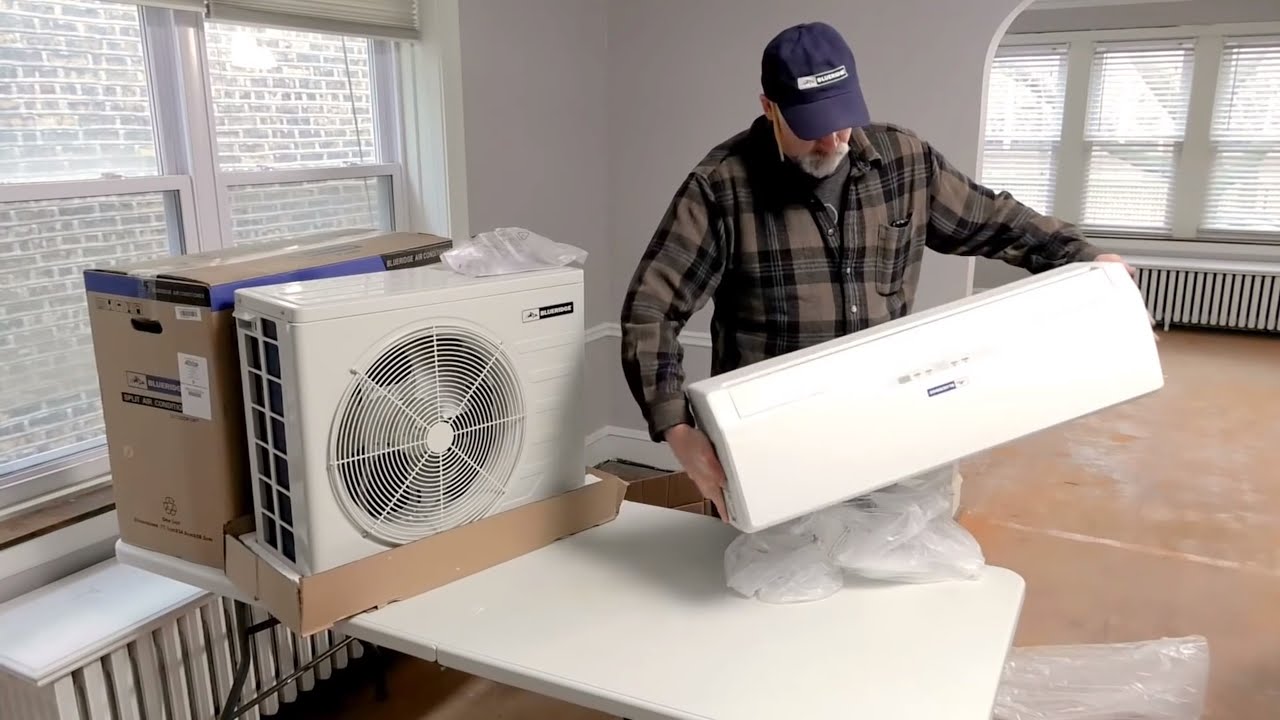
Commercial AC Installation in Bullhead City's Desert Heat
Bullhead City is one of the hottest commercial markets in the country, where summer afternoons along the Colorado River push past 115 degrees and the Highway 95 commercial corridor bakes for months. For a business operating here, cooling is not simply a comfort feature, it is core infrastructure that customers, staff, and inventory all depend on. A commercial air conditioning installation done for this climate has to be engineered for extreme heat from the first design decision, not adapted from equipment meant for milder places. This is a practical look at what Bullhead City business owners should understand before starting the project, from sizing and system choice to permits, incentives, and long-term cost.
Ambient Edge has installed and serviced commercial systems across Bullhead City and the greater Mohave region for over 20 years, with NATE-certified technicians and a 4.9-star Google rating from thousands of reviews. The goal here is to explain the local factors and technical decisions that shape a commercial air conditioning installation in Bullhead City, so an owner walks into the project informed. Every building is different, so treat this as background rather than a substitute for an on-site assessment.
Why Bullhead City Heat Changes the Math
Most commercial cooling equipment is rated at standard test conditions, but Bullhead City is anything but standard. When outdoor temperatures pass 120 degrees, a system's real-world capacity drops well below its nameplate rating. Equipment that looks adequate on a spec sheet can fall short in the field, short-cycling or failing to hold a setpoint through the worst afternoon hours along the riverfront and the Highway 95 corridor.
This is why a Bullhead City commercial air conditioning installation has to be built around high-ambient performance. Desert-rated equipment is engineered to hold capacity at extreme outdoor temperatures, and the sizing has to reflect the true local peak load rather than a textbook average. A business in the Bullhead City industrial park, the riverfront commercial district, or along the Highway 95 corridor that installs a system sized for a milder climate will pay for it in constant comfort complaints, runaway energy bills, and premature equipment failure. Matching equipment to the real desert load is the single most important decision in the project.
Load Calculation Before Equipment
A sound commercial air conditioning installation starts with a load calculation, not a catalog. For commercial buildings that means a Manual N calculation, which accounts for size, orientation, insulation, glazing, occupancy, internal equipment heat, and the punishing Bullhead sun. Simply matching the tonnage of an old unit, or estimating from square footage alone, leaves both performance and money on the table.
An oversized system short-cycles, wearing components and failing to manage humidity, while an undersized one runs nonstop and never catches up on the hottest days. The load calculation finds the correct capacity, and for a Bullhead City business it accounts for a cooling season that runs long and brutally hot for months on end. This upfront engineering is what separates a professional install from a guess, and it pays back across the entire service life of the system.
Choosing the Right Commercial System
Bullhead City businesses typically choose among a few proven commercial configurations. Packaged rooftop units, or RTUs, are common for retail, office, and restaurant spaces because they consolidate the system on the roof and preserve interior square footage. Variable refrigerant flow systems, or VRF, offer zoned control for multi-tenant buildings and spaces with uneven cooling demand. Commercial split systems remain a fit for smaller standalone footprints.
The right choice depends on the building, its use, and the budget. A restaurant with heavy kitchen heat has very different needs than a quiet office suite or an open retail floor. Part of a sound commercial air conditioning installation is matching the system type to how the space actually operates, rather than defaulting to whatever was there before. A qualified installer walks a Bullhead City owner through those tradeoffs instead of pushing a single product.
The Refrigerant Transition Is Here
Federal refrigerant rules have shifted, and any Bullhead City business planning a commercial air conditioning installation should understand the change. New commercial systems are moving to low-GWP A2L refrigerants such as R-454B and R-32, replacing older R-410A equipment. Because these refrigerants are mildly flammable, the systems that use them include factory-installed leak detection and mitigation built to current code.
The practical points are simple. New installations should be specified with current-generation refrigerant systems so the equipment is not outdated on day one, and the technicians handling them need current certification for the newer refrigerants. An installer who understands where the standards are heading protects a Bullhead City owner from investing in equipment the market is already leaving behind. Verify the current refrigerant and code requirements with your installer, since these rules continue to change.
Permits, Codes, and Rebates in Mohave County
A commercial installation in Bullhead City runs through the Bullhead City Building Division and Mohave County Development Services, which require a commercial mechanical permit for the work. Plans must meet current energy-code standards, so a contractor who handles these Mohave County submittals routinely keeps the project moving rather than stalling on a rejected permit. That local familiarity with the process matters a great deal on a commercial timeline.
Efficient equipment can also earn incentives. UniSource Energy Services offers business rebate programs for high-efficiency commercial systems, and federal tax provisions have historically rewarded efficient commercial building upgrades. These programs and their specifics change, so confirm them at the time of the project, but a Bullhead City business planning a commercial air conditioning installation should ask its installer which current incentives apply. Leaving those unclaimed means leaving real money behind.
What a Complete Installation Includes
A commercial air conditioning installation is far more than setting a unit on the roof. It includes correctly sized ductwork or refrigerant lines, adequate electrical service, proper condensate handling, and a controls setup matched to how the business runs. Skipping any of these details produces a system that underperforms no matter how good the equipment is, which matters even more in a climate as demanding as Bullhead City's.
Commissioning is the final step that rushed installs often skip. A proper commissioning process verifies airflow, refrigerant charge, and electrical draw against the manufacturer's specifications, confirming the system delivers its rated capacity before the crew leaves. For a Bullhead City business depending on that system through a 120-degree summer, commissioning is what turns quality equipment into cooling that actually holds the building at setpoint when it matters most.
Efficiency Ratings and Long-Term Cost
The purchase price of a commercial system is only part of its true cost. Energy use over ten or fifteen years often exceeds the installed price, especially in Bullhead City's long and extreme cooling season. That is why efficiency ratings matter. Modern commercial equipment is rated using SEER2 and related standards, and a higher-efficiency system costs more upfront but can pay back the difference through lower power bills over its life.
For a business running long hours in this heat, the math often favors stepping up to a more efficient system. A retail center or restaurant along Highway 95 open seven days a week runs its cooling far more than an occasional-use building, so efficiency gains compound quickly. A sound installation weighs the equipment cost against the projected energy savings and shows a Bullhead City owner that comparison rather than defaulting to the cheapest option. Over the life of the system, the efficient choice frequently costs less.
Downtime and Business Continuity
For most Bullhead City businesses, cooling is not optional. A restaurant cannot serve, a retail floor cannot hold customers, and a commercial space cannot function https://www.ambientedge.com/commercial/hvac/installation/ when the air conditioning fails in July. That reality should shape how a commercial cooling project is planned and scheduled. Replacing an aging system before it fails, rather than after, avoids the worst-case scenario of an emergency in peak desert heat.
A planned installation can be scheduled around business hours, staged to minimize disruption, and completed with the new system tested before the old one is retired where the configuration allows. Ambient Edge offers 24/7 and same-day service precisely because desert cooling failures do not wait for convenient timing. A Bullhead City owner who plans the work ahead of a failure keeps control of the timeline instead of scrambling during a heat wave, protecting both revenue and customers.
Maintenance Protects the Investment
The day a new system is commissioned is the start of its service life, not the end of the project. Bullhead City's dust and extreme heat are hard on commercial equipment. Condenser coils foul faster in dusty desert air, filters load more quickly, and components run under heavier thermal stress than they would in a temperate climate. A maintenance plan keeps the system operating near its rated efficiency and catches small problems before they become failures.
Regular maintenance also protects the warranty and the efficiency the owner paid for. A neglected commercial system quietly loses capacity and runs up energy costs, eroding the value of a good installation. For a Bullhead City business, pairing a quality commercial air conditioning installation with a scheduled maintenance program is what carries the investment across its full expected life. The two go together, and skipping the second undermines the first.
Questions to Ask Before You Sign
A commercial project deserves direct questions before an owner commits. Ask whether the installer performs a Manual N load calculation rather than matching the old tonnage. Ask whether the equipment is desert-rated for high-ambient operation past 120 degrees. Ask how the system will be commissioned and verified. Ask which current refrigerant it uses and whether the technicians are certified for it. The answers reveal whether a bid is serious or a shortcut.
Licensing, warranty, and permitting are worth asking about too. A qualified Bullhead City contractor is licensed and insured in Arizona, pulls the required commercial mechanical permit through the Bullhead City Building Division, and stands behind the work with a written warranty. An installer who welcomes these questions shows the professionalism a project of this size demands, while one who deflects them is telling a business owner something worth hearing before any money changes hands.
Why Local Experience Counts in Bullhead City
Commercial cooling in one of the hottest markets in the country is a specialized problem, and general HVAC familiarity does not automatically cover it. An installer who works the Bullhead City and Mohave market understands how the extreme river-valley heat, the dust, and the long cooling season stress equipment, and sizes and specifies systems accordingly. That local knowledge shows up in systems that hold up rather than ones that struggle by their second summer.
Local experience also means familiarity with the Bullhead City and Mohave County permitting process, the UniSource rebate programs, and the practical realities of servicing commercial equipment in an extreme desert climate. For a Bullhead City business, choosing an installer who knows the territory reduces the risk that a project stalls on a permit, misses an available incentive, or specifies equipment poorly matched to the heat. The building and the climate are unforgiving, so the experience behind the installation is worth as much as the equipment inside it.
Working With Ambient Edge in Bullhead City
A commercial cooling project is a major investment, and the installer matters as much as the equipment. Ambient Edge brings NATE-certified technicians, flat-rate pricing with no hidden fees, free estimates, 24/7 service, and a 100% satisfaction guarantee to every commercial project, backed by a 10-year manufacturer and parts-and-labor warranty on installed HVAC systems. Financing and bilingual service are both available to commercial clients, and Se Habla Espanol.
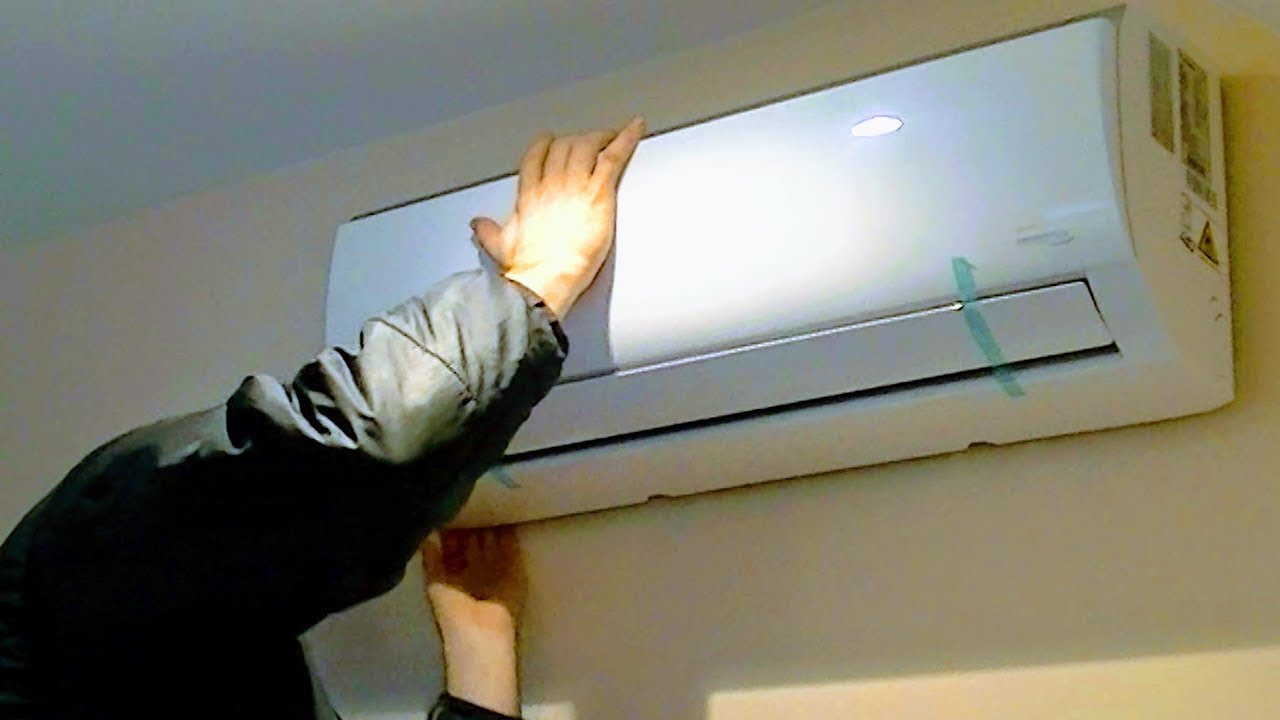
A Bullhead City business ready to plan a commercial AC installation in Bullhead City can call 866-842-9409 for a free estimate and an on-site assessment. Ambient Edge is licensed and insured in Arizona under AZ ROC 333029 and 333030. Every building is different, so an on-site evaluation is the right next step for a project of this size.
.ae-faq-wrap max-width: 850px; margin: 2rem auto; font-family: system-ui, -apple-system, "Segoe UI", Roboto, Helvetica, Arial, sans-serif; color: #1e293b; .ae-faq-item border: 1px solid #cbd5e1; border-radius: 8px; margin-bottom: 12px; background: #ffffff; overflow: hidden; .ae-faq-question padding: 18px 20px; font-size: 1.05rem; font-weight: 700; color: #0f172a; cursor: pointer; list-style: none; display: flex; justify-content: space-between; align-items: center; background: #f8fafc; .ae-faq-question::-webkit-details-marker display: none; .ae-faq-question::after content: "+"; font-size: 1.35rem; font-weight: 600; color: #0284c7; margin-left: 16px; .ae-faq-item[open] .ae-faq-question::after content: "−"; .ae-faq-item[open] .ae-faq-question border-bottom: 1px solid #e2e8f0; .ae-faq-answer padding: 18px 20px; font-size: 0.98rem; line-height: 1.65; color: #334155; margin: 0; How much does commercial air conditioning installation cost in Bullhead City?Cost depends on the building size, the system type, and the cooling load, so there is no single figure. A proper quote starts with a Manual N load calculation and an on-site assessment, followed by a flat-rate estimate with no hidden fees. Ambient Edge provides free estimates, so a Bullhead City business can get real numbers before committing.
Does commercial equipment really need to be desert-rated in Bullhead City?Yes. When outdoor temperatures pass 120 degrees, a system delivers less than its nameplate capacity, so high-ambient desert-rated equipment and honest sizing are essential. A system sized for a milder climate will struggle, run up energy bills, and wear out early in Bullhead City's extreme heat.
Do new commercial systems have to use the new refrigerants?New commercial installations are moving to low-GWP A2L refrigerants such as R-454B and R-32, replacing older R-410A equipment, and the technicians handling them need current certification. Specifying a current-generation system avoids installing equipment the market is already leaving behind. Confirm the current requirements with your installer, since the rules keep evolving.